
How Politics Shapes What We Wear
July 29, 2026 2026-07-30 9:28How Politics Shapes What We Wear
How politics shapes
What We Wear
Fashion Has Never Been Just Fashion!


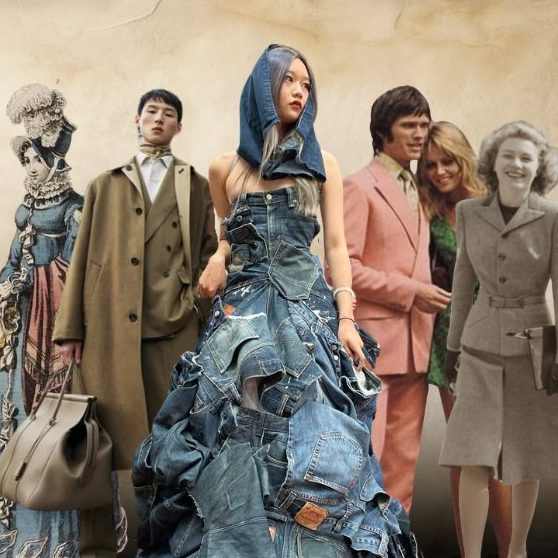
Fashion Is a Reflection of Society
Fashion is often seen as a form of self-expression—a way to showcase personal style or keep up with the latest trends. But throughout history, clothing has been much more than that.
Fashion has always reflected the world around us. Political revolutions, wars, social movements, economic crises, and global events have all influenced the way people dress. The silhouettes we wear, the fabrics we choose, and even the colors that dominate each season are often shaped by the realities of their time.
Fashion doesn't exist in a vacuum. It evolves alongside society, making it one of history's most fascinating visual records.
1789
The French Revolution: From Extravagance to Simplicity
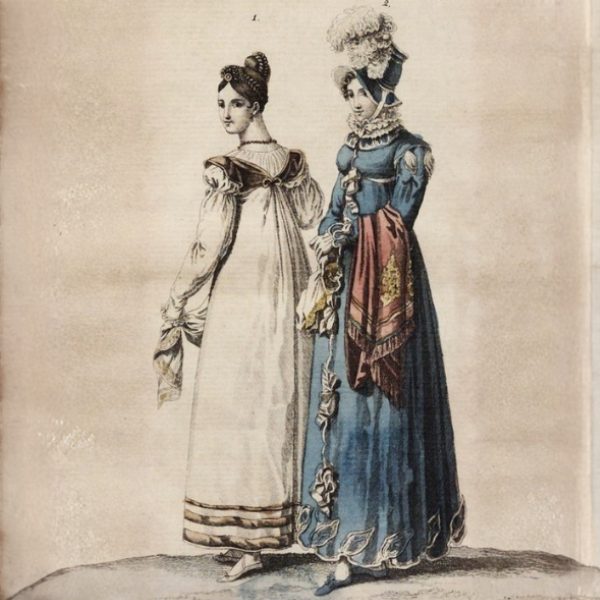
Before the French Revolution, fashion reflected the wealth and power of the aristocracy. Elaborate gowns, embroidered silks, wide panniers, powdered wigs, and extravagant accessories were symbols of status.
After the Revolution in 1789, these displays of excess became closely associated with the old regime. Fashion shifted toward simpler silhouettes inspired by classical Greece and Rome. Women’s dresses featured high Empire waistlines, softer fabrics, and minimal decoration, reflecting the revolutionary ideals of equality and rejecting aristocratic extravagance.
For one of the first times in history, political ideology dramatically influenced the way people chose to dress.
1848-1949
The Women’s Suffrage Movement: Dressing for a Cause
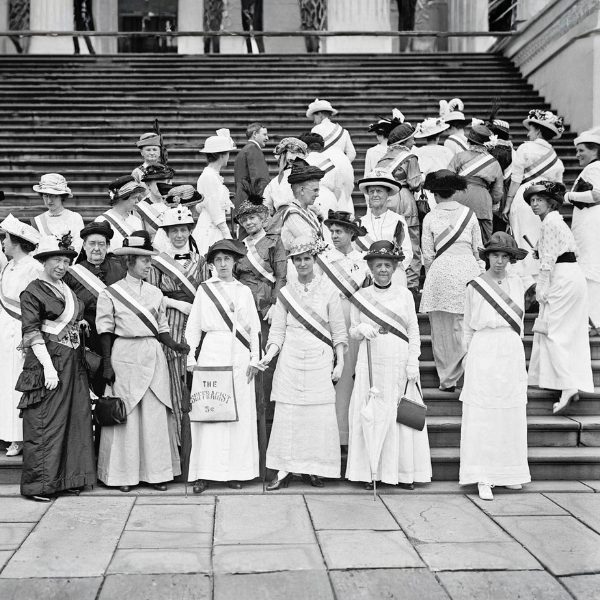
The women’s suffrage movement demonstrated that clothing could communicate a political message.
During the late nineteenth and early twentieth centuries, suffragettes carefully considered how they presented themselves in public. They chose elegant yet practical clothing that projected dignity, respectability, and professionalism while allowing greater freedom of movement than the restrictive fashions of previous decades.
White dresses became one of the movement’s most recognizable symbols, representing purity and unity. The movement also popularized tailored jackets and simpler silhouettes that reflected women’s increasingly active roles in public life.
Fashion became more than personal expression—it became a tool for visibility, solidarity, and social change.
1914-1945
The World Wars: When Practicality Defined Fashion
Few events have changed fashion as dramatically as the two World Wars.
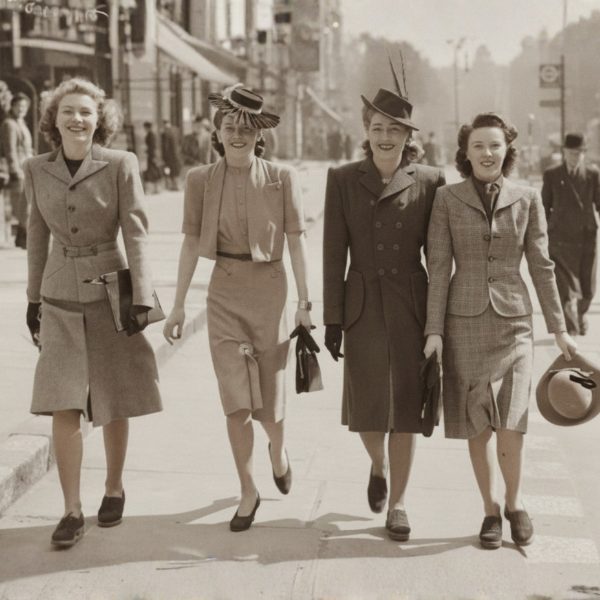
During both World War I and World War II, clothing had to adapt to shortages of fabric, changing work environments, and the realities of everyday life. Governments introduced rationing programs, encouraging garments that used fewer materials and could be produced efficiently.
Hemlines became shorter, silhouettes became simpler, and decorative details were reduced. Utility clothing emerged as practicality replaced ornamentation.
As women entered factories, farms, and other essential jobs, they increasingly wore trousers and practical workwear that allowed greater freedom of movement. Although trousers had existed in women’s fashion before, the wars played a significant role in normalizing them for everyday functional use.
Military uniforms also left a lasting mark on civilian fashion. Trench coats, structured tailoring, epaulettes, and utility-inspired details remain staples of modern wardrobes today.
Fashion was no longer driven solely by aesthetics—it was shaped by necessity.
1960s & 1970s
The Social movement: Fashion Becomes a Symbol of Freedom
The social movements of the 1960s and 1970s transformed fashion once again.
As second-wave feminism, youth culture, and broader movements for equality challenged traditional social norms, clothing became a powerful form of self-expression.
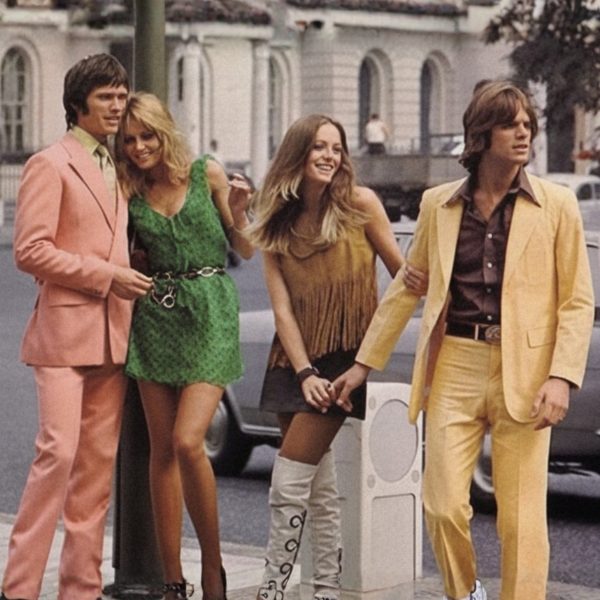
Miniskirts, jumpsuits, denim, bold prints, and unisex styles reflected a generation eager to redefine identity and reject convention. At the same time, trousers and tailored pantsuits became widely accepted as everyday clothing for women, symbolizing increasing participation in education, the workplace, and public life.
Fashion no longer simply reflected social change—it actively participated in it.
2008
The Financial Crisis: The Beginning of Quiet Luxury
Economic uncertainty has always influenced consumer behavior, and the 2008 global financial crisis was no exception.
As financial priorities shifted, many consumers moved away from trend-driven shopping and conspicuous branding. Instead, they sought timeless garments, quality craftsmanship, and pieces that offered long-term value.
This period helped shape what would later become known as quiet luxury—an aesthetic centered on refined tailoring, premium materials, and understated elegance rather than visible logos.
The focus shifted from buying more to buying better.

2010s
The Social Media Era: When Trends Started Moving Faster
Social media has transformed fashion in ways no previous era could.
Before platforms like Instagram, TikTok, and Pinterest, trends typically took months—or even years—to spread from the runway to everyday wardrobes. Today, a trend can go viral overnight and disappear just as quickly.
This constant stream of new aesthetics has accelerated fashion cycles and fueled the growth of fast fashion. Brands can identify viral trends, produce similar designs within weeks, and deliver them to consumers while demand is still high.
As a result, many people are buying more clothing than ever before, often driven by the desire to keep up with rapidly changing trends seen online. Fashion has become more accessible, but also more disposable.
At the same time, social media has also had a positive impact. It has democratized fashion by giving independent designers, stylists, and content creators a global platform. It has introduced consumers to diverse cultures, promoted conversations around sustainability, and encouraged people to explore personal style rather than relying solely on traditional fashion magazines.
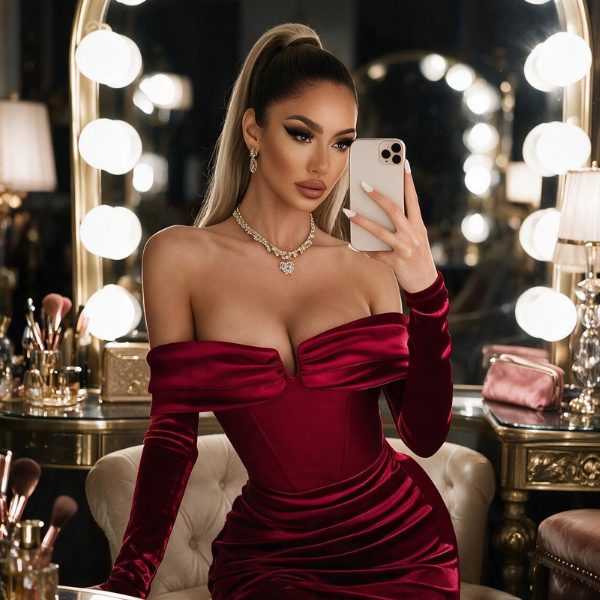
Today, social media doesn’t just report trends—it helps create them.
2020
How COVID-19 Changed the Way We Dress
Few events have influenced fashion as quickly and globally as the COVID-19 pandemic.
As millions of people began working from home and social gatherings disappeared almost overnight, wardrobes changed to reflect new daily routines. Structured office attire gave way to knitwear, relaxed tailoring, matching sets, and comfortable essentials.
The pandemic also changed the way people consumed fashion. Many became more conscious of quality, versatility, and longevity, accelerating interest in capsule wardrobes, investment dressing, and sustainable consumption.
When restrictions eased, fashion responded in two distinct ways. Some embraced timeless minimalism, while others celebrated with bold colors, dramatic silhouettes, and expressive designs that reflected a renewed sense of optimism.
Once again, fashion evolved because society had changed.

Today
Trends Reflect Today’s World
Today’s fashion landscape continues to respond to global conversations.
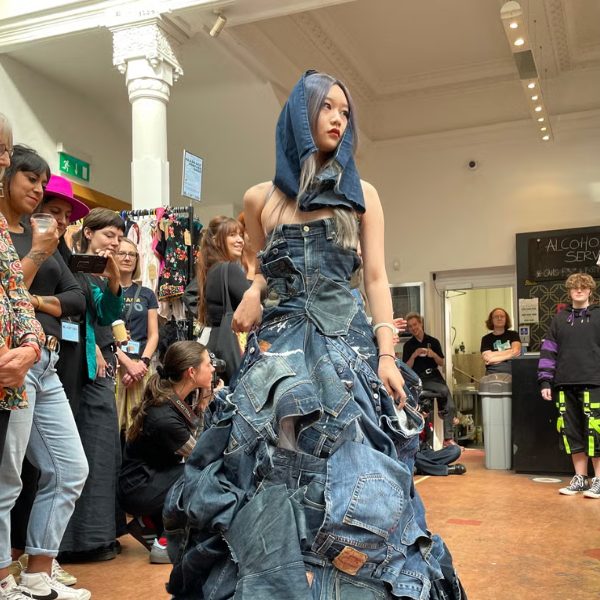
Growing awareness of sustainability has encouraged consumers to buy fewer, better-quality garments. Designers are placing greater emphasis on craftsmanship, local production, and traditional techniques, while many luxury houses are highlighting artisanal skills that were once overlooked.
At the same time, ongoing global uncertainty has strengthened appreciation for versatile wardrobes and timeless design, while moments of optimism continue to inspire creativity, color, and theatrical fashion on the runway.
Fashion continues to evolve—not independently, but alongside the world around it.
Fashion Is History You Can Wear
Fashion trends rarely appear by accident.
Behind every silhouette, every fabric, and every shift in style is a story shaped by history. Revolutions changed aesthetics. Wars demanded practicality. Social movements transformed identity. Economic crises reshaped consumption. A global pandemic altered the way we live—and, consequently, the way we dress.
The next time you see a trend dominating the runway or your social media feed, ask yourself:
What was happening in the world when this trend emerged?
Because fashion has never been just fashion.
It is history, politics, culture, economics, psychology, and identity—woven into the clothes we wear every day.
At Mind & Style, we believe that understanding the story behind fashion helps us make more intentional style choices. Because great style isn't just about following trends—it's about understanding where they come from and deciding what truly aligns with you.
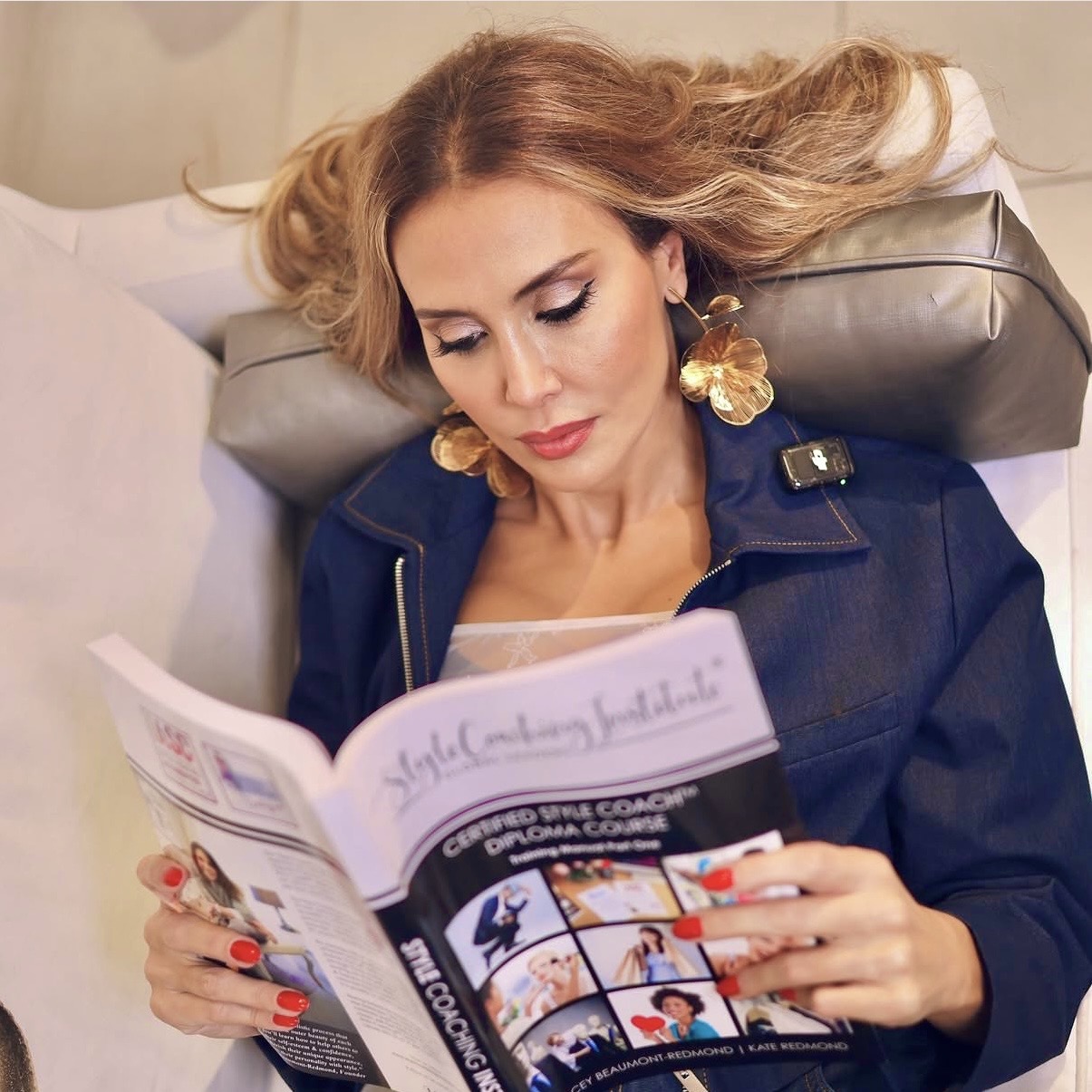
Fashion is more than knowing what is trending. It is about understanding the psychology, history, and principles behind what people wear—and using that knowledge to create meaningful transformations.
Through the Style Coach™ Diploma Course, you will learn how to analyze style, understand body shapes, work with color, develop a client's personal style, and use coaching techniques to help people feel more confident in who they are.
Because a true Style Coach™ doesn't just create beautiful outfits—they help people see themselves differently.
If you believe fashion has the power to inspire confidence and create change, this could be the beginning of your journey.


